Accreditation’s Role in Student Mobility and Degree Recognition | GPTAM
In today’s interconnected world, students and graduates of theological institutions increasingly seek opportunities to study, serve, and minister globally. Accreditation plays a vital role in facilitating this mobility and ensuring degree recognition across borders. The Global Partnership for Theological Accreditation and Mission (GPTAM) is committed to supporting institutions in these efforts. The Role of Accreditation in Enhancing Student Mobility and Degree Recognition In today’s interconnected world, students and graduates of theological institutions increasingly seek opportunities to study, serve, and minister globally. Accreditation plays a vital role in facilitating this mobility and ensuring degree recognition across borders. The Global Partnership for Theological Accreditation and Mission (GPTAM) is committed to supporting institutions in these efforts. Why Student Mobility Matters The ability for students to transfer credits, pursue advanced studies, or accept ministry roles internationally depends heavily on the credibility of their academic credentials. Accredited programs provide this assurance to both students and employers. International Recognition of Degrees GPTAM’s accreditation is recognized globally, helping students’ qualifications gain acceptance by other institutions, churches, and mission organizations. This recognition opens doors for further education and ministry placement worldwide. Streamlined Credit Transfer Accreditation ensures that courses meet agreed academic standards, allowing for smoother credit transfers between institutions within GPTAM’s network and beyond. This flexibility benefits students pursuing multi-institutional studies. Enhancing Student Confidence Knowing their degrees hold recognized value, students are more confident investing time and resources into their theological education, ultimately improving enrollment and retention. Supporting Global Mission Efforts Accredited theological education equips students for effective service in diverse cultural contexts, supporting global church growth and mission work. Conclusion Accreditation is key to enhancing student mobility and degree recognition in theological education. GPTAM’s global standards provide the foundation for institutions to prepare students for fruitful ministry worldwide. For more information on GPTAM accreditation and student mobility, visit www.gptam.in or contact info@gptam.org.
Maintaining Doctrinal Integrity While Expanding Theological Education | GPTAM

As theological institutions grow and adapt to new educational models and cultural contexts, maintaining doctrinal integrity becomes a crucial challenge. The Global Partnership for Theological Accreditation and Mission (GPTAM)is committed to helping institutions uphold evangelical doctrine while expanding their reach. Maintaining Doctrinal Integrity While Expanding Theological Education As theological institutions grow and adapt to new educational models and cultural contexts, maintaining doctrinal integrity becomes a crucial challenge. The Global Partnership for Theological Accreditation and Mission (GPTAM) is committed to helping institutions uphold evangelical doctrine while expanding their reach. The Challenge of Growth Expansion can sometimes lead to compromises in core beliefs as institutions try to appeal to broader audiences or adopt diverse theological perspectives. GPTAM emphasizes the importance of remaining rooted in biblical truth regardless of growth strategies. Clear Doctrinal Standards GPTAM requires member institutions to affirm a clear statement of faith based on evangelical principles. This doctrinal clarity ensures all programs and teachings align with Scripture. Oversight and Accountability Through periodic reviews and evaluations, GPTAM monitors doctrinal adherence. This accountability helps prevent drift and supports institutions in resolving theological challenges. Training and Resources GPTAM provides faculty and leadership with resources and training focused on biblical doctrine, helping educators teach faithfully and confidently. Balancing Innovation with Faithfulness While embracing new methods of education delivery—such as online learning—GPTAM encourages institutions to integrate innovation without compromising theological convictions. Conclusion Maintaining doctrinal integrity amid expansion is essential for faithful ministry preparation. GPTAM’s support helps theological institutions grow responsibly while safeguarding evangelical truths. For guidance on maintaining doctrinal integrity through accreditation, visit www.gptam.in or contact info@gptam.org.
Benefits of Joining a Global Theological Accreditation Network | GPTAM
Joining a global theological accreditation network like the Global Partnership for Theological Accreditation and Mission (GPTAM) offers numerous advantages for theological institutions seeking growth, credibility, and expanded opportunities for their students and faculty. Benefits of Joining a Global Theological Accreditation Network Joining a global theological accreditation network like the Global Partnership for Theological Accreditation and Mission (GPTAM) offers numerous advantages for theological institutions seeking growth, credibility, and expanded opportunities for their students and faculty. Institutional Growth and Development Being part of GPTAM’s network helps institutions elevate their academic standards and institutional policies. This connection promotes continual improvement through shared best practices, workshops, and peer reviews. Enhanced Student Opportunities Students at GPTAM-accredited institutions gain access to a broader range of educational and ministry opportunities. These include easier credit transfers, recognition of degrees internationally, and access to global mission partnerships. Networking and Collaboration Membership in GPTAM opens doors to a worldwide community of theological schools, mission agencies, and churches. This network fosters collaboration on research, joint programs, and mission initiatives. Increased Credibility and Trust Affiliation with a respected global accreditation body enhances the institution’s reputation among students, donors, and churches. It assures all stakeholders of the school’s commitment to academic quality and biblical fidelity. Access to Resources and Support GPTAM provides member institutions with valuable resources such as curriculum templates, faculty development programs, and accreditation guidance, which aid in institutional strengthening. Conclusion Joining GPTAM’s global accreditation network offers theological institutions vital benefits that support growth, enhance academic quality, and expand ministry impact worldwide. To learn more about joining GPTAM’s network, visit www.gptam.in or contact info@gptam.org.
How GPTAM Accreditation Enhances Theological Curriculum Development
A well-designed curriculum is the backbone of effective theological education. The Global Partnership for Theological Accreditation and Mission (GPTAM) plays a significant role in helping institutions develop curricula that are academically sound and biblically faithful. The Impact of GPTAM Accreditation on Theological Curriculum Development A well-designed curriculum is the backbone of effective theological education. The Global Partnership for Theological Accreditation and Mission (GPTAM) plays a significant role in helping institutions develop curricula that are academically sound and biblically faithful. Ensuring Academic Rigor and Relevance GPTAM works with institutions to design programs that balance scholarly excellence with practical ministry skills. This ensures students receive a comprehensive education preparing them for real-world challenges. Biblical Foundations in Curriculum Accredited institutions under GPTAM maintain a curriculum rooted in evangelical doctrine. Theological concepts are taught with fidelity to Scripture, safeguarding students from doctrinal errors. Incorporating Contemporary Issues GPTAM encourages curricula that address current cultural, ethical, and societal challenges. This prepares students to engage effectively with the world while grounded in biblical truth. Faculty Collaboration and Input GPTAM facilitates input from faculty experts and ministry leaders during curriculum development, ensuring diverse perspectives and practical application. Continuous Review and Improvement Curricula are regularly reviewed to keep pace with theological scholarship and ministry needs. GPTAM supports this ongoing process to maintain relevance and excellence. Conclusion GPTAM’s involvement in curriculum development strengthens theological education by ensuring programs are both biblically sound and academically rigorous. This prepares students for effective ministry leadership in a changing world. For assistance in curriculum development through GPTAM accreditation, visit www.gptam.in or contact info@gptam.org.
Affordable Theological Accreditation for Emerging Institutions | GPTAM
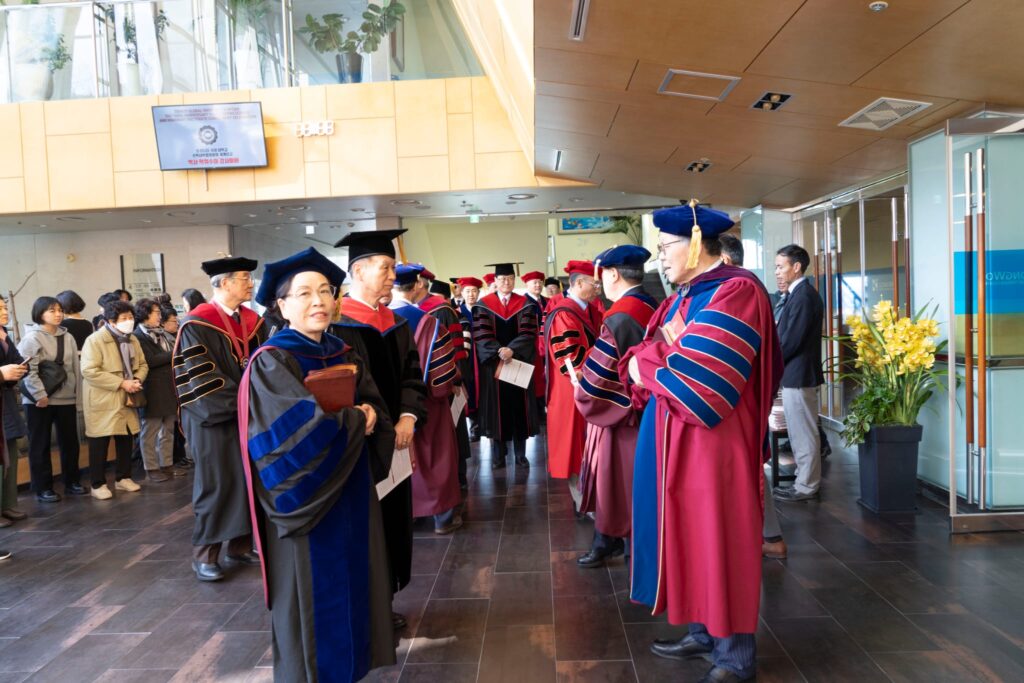
For many emerging theological institutions around the world, affordability is a key factor when seeking accreditation. The Global Partnership for Theological Accreditation and Mission (GPTAM) understands this challenge and offers affordable pathways to accreditation without compromising quality. The Importance of Affordable Theological Accreditation for Emerging Institutions For many emerging theological institutions around the world, affordability is a key factor when seeking accreditation. The Global Partnership for Theological Accreditation and Mission (GPTAM) understands this challenge and offers affordable pathways to accreditation without compromising quality. Why Affordability Matters Many Bible colleges and seminaries operate on limited budgets, especially in developing regions. High accreditation fees can be a barrier, preventing institutions from gaining the recognition they deserve. GPTAM’s Affordable Accreditation Model GPTAM provides cost-effective accreditation services designed to support institutions at various stages of development. This model includes: Reasonable fees aligned with the financial realities of emerging schools. Flexible payment plans to accommodate budget constraints. Access to resources and support without hidden costs. Maintaining Quality While Being Affordable Affordability does not mean lowering standards. GPTAM maintains rigorous academic and doctrinal criteria, ensuring institutions meet high-quality benchmarks while keeping costs manageable. Benefits for Emerging Institutions Increased credibility and recognition Ability to attract more students and partnerships. Access to training, resources, and global networks. Conclusion Affordable accreditation is vital for the growth and sustainability of emerging theological institutions. GPTAM’s commitment to affordability combined with excellence makes it an ideal partner for schools seeking credible and accessible accreditation. To explore GPTAM’s affordable accreditation options, visit www.gptam.in or contact info@gptam.org.
Supporting Faculty Development and Academic Excellence with GPTAM
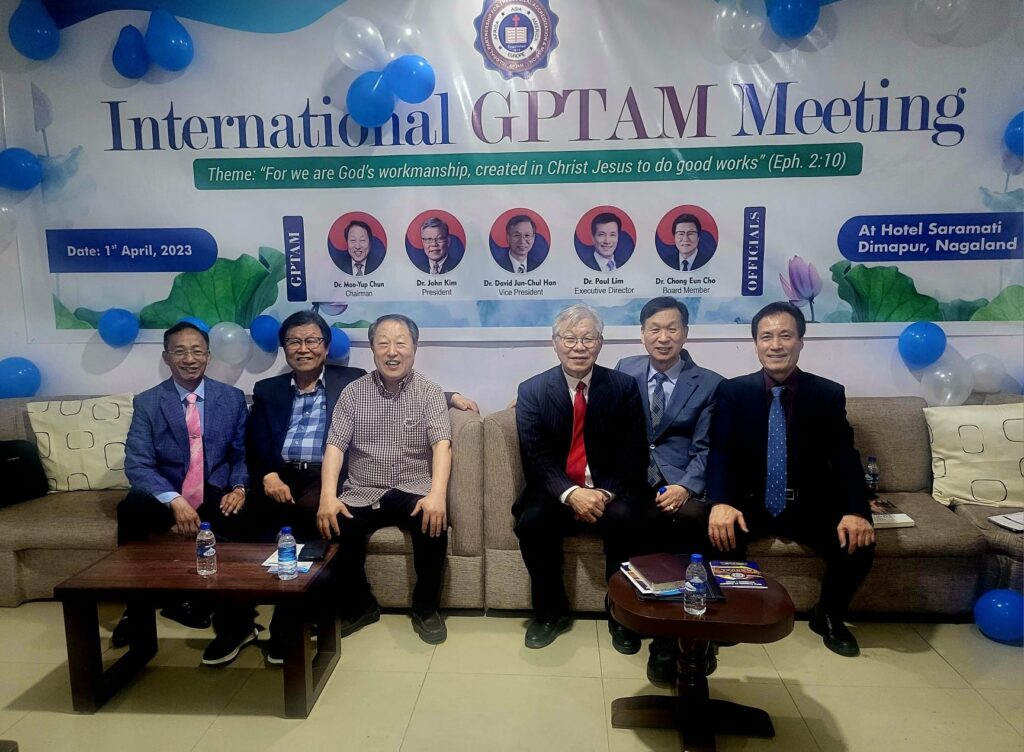
High-quality theological education depends greatly on well-trained and spiritually grounded faculty. The Global Partnership for Theological Accreditation and Mission (GPTAM) is dedicated to supporting faculty development to ensure academic excellence and faithful ministry preparation. How GPTAM Supports Faculty Development and Academic Excellence High-quality theological education depends greatly on well-trained and spiritually grounded faculty. The Global Partnership for Theological Accreditation and Mission (GPTAM) is dedicated to supporting faculty development to ensure academic excellence and faithful ministry preparation. Comprehensive Training and Workshops GPTAM offers regular training sessions and workshops designed to enhance teaching skills, deepen biblical knowledge, and update faculty on best educational practices. These programs help instructors stay current and effective in their roles. Access to Educational Resources Member institutions benefit from GPTAM’s extensive library of curriculum guides, theological materials, and teaching aids. These resources assist faculty in delivering well-rounded and biblically sound instruction. Encouraging Spiritual Formation Faculty development at GPTAM includes emphasis on personal spiritual growth. Training encourages educators to model Christ-like character and lead students not only academically but also in faith. Promoting Academic Research GPTAM supports scholarly research by facilitating opportunities for faculty to engage in theological writing, conferences, and publication. This culture of academic inquiry enriches the institution’s educational environment. Networking and Collaboration Through GPTAM’s global network, faculty can connect with peers for mentorship, exchange ideas, and collaborate on projects, strengthening both individual and institutional academic standards. Conclusion GPTAM’s commitment to faculty development ensures that theological institutions offer high-quality education grounded in biblical truth. By equipping educators with skills and resources, GPTAM helps prepare the next generation of effective church leaders. Learn more about GPTAM’s faculty development programs at www.gptam.in or contact info@gptam.org.
Key Qualities to Look for in a Theological Accreditation Agency | GPTAM

Choosing the right accreditation agency is crucial for theological institutions seeking to uphold academic excellence and biblical faithfulness. The Global Partnership for Theological Accreditation and Mission (GPTAM) exemplifies key qualities every institution should seek when pursuing accreditation. Top Qualities to Look for in a Theological Accreditation Agency Choosing the right accreditation agency is crucial for theological institutions seeking to uphold academic excellence and biblical faithfulness. The Global Partnership for Theological Accreditation and Mission (GPTAM) exemplifies key qualities every institution should seek when pursuing accreditation. 1. Commitment to Biblical Doctrine A credible accreditation agency must uphold clear evangelical doctrinal standards. GPTAM ensures that member institutions affirm biblical truths, safeguarding theological integrity. 2. Rigorous Academic Standards High academic standards in curriculum design, faculty qualifications, and student assessment are essential. GPTAM’s thorough evaluation process guarantees quality theological education. 3. Global Recognition and Partnerships An ideal agency offers worldwide recognition, enabling students and institutions to benefit from international collaboration and degree portability. GPTAM’s global network connects schools across continents. 4. Support for Institutional Growth Accreditation should not just be a stamp of approval but a partnership that encourages continuous improvement. GPTAM provides resources, training, and ongoing support for sustainable growth. 5. Transparent and Fair Processes Trustworthy agencies maintain clear, consistent, and fair accreditation procedures. GPTAM’s transparent processes foster confidence among institutions and stakeholders. 6. Focus on Spiritual Formation Beyond academics, an accreditation agency must emphasize spiritual growth and ministry preparation. GPTAM prioritizes holistic development to prepare faithful church leaders. Conclusion Selecting an accreditation agency with these qualities ensures that theological institutions maintain excellence, doctrinal faithfulness, and meaningful connections worldwide. GPTAM embodies these standards, making it a trusted partner for theological education. For information about GPTAM accreditation services, visit www.gptam.in or contact info@gptam.org.
GPTAM’s Mission: Advancing Global Theological Education and Church Growth

The Global Partnership for Theological Accreditation and Mission (GPTAM) exists with a clear and vital mission: to partner with theological institutions worldwide in providing biblically sound, academically rigorous education that equips leaders for effective church growth and mission work. GPTAM’s Mission: Partnering for Global Theological Education and Church Growth The Global Partnership for Theological Accreditation and Mission (GPTAM) exists with a clear and vital mission: to partner with theological institutions worldwide in providing biblically sound, academically rigorous education that equips leaders for effective church growth and mission work. A Vision Rooted in Partnership GPTAM’s mission emphasizes collaboration among Bible colleges, seminaries, churches, and mission organizations across continents. By working together, these partners create a unified front to strengthen theological education and expand the global church. Supporting Church Planting and Mission Efforts Theological education is foundational to church planting and mission outreach. GPTAM supports this through: Accreditation Services: Ensuring institutions meet high standards that prepare students for ministry challenges. Resource Sharing: Providing curriculum guidance, faculty training, and ministry resources. Networking Opportunities: Connecting schools with mission agencies and local churches to foster practical ministry partnerships. Commitment to Biblical Fidelity and Academic Excellence GPTAM upholds evangelical doctrine as the cornerstone of theological education. This commitment ensures graduates are well-equipped to teach, preach, and lead churches in ways that honor Scripture and advance God’s kingdom. Impact on Global Ministry Through its mission, GPTAM influences the global church by producing capable leaders who plant churches, disciple believers, and serve communities worldwide. The organization’s partnership model fosters unity, accountability, and shared vision. Conclusion GPTAM’s mission is more than accreditation—it is a strategic partnership for advancing global theological education and empowering church growth. Institutions joining GPTAM become part of a worldwide movement dedicated to faithful ministry training and mission impact. Learn more about GPTAM’s mission and partnership opportunities at www.gptam.in or contact info@gptam.org.
How GPTAM Accreditation Enhances Student Mobility and Degree Recognition

In today’s globalized world, students and institutions alike benefit greatly from the recognition and transferability of academic credits and degrees. The Global Partnership for Theological Accreditation and Mission (GPTAM) plays a vital role in facilitating student mobility and ensuring degree recognition for theological institutions. The Role of Accreditation in Enhancing Student Mobility and Degree Recognition In today’s globalized world, students and institutions alike benefit greatly from the recognition and transferability of academic credits and degrees. The Global Partnership for Theological Accreditation and Mission (GPTAM) plays a vital role in facilitating student mobility and ensuring degree recognition for theological institutions. How Accreditation Supports Student Mobility Accreditation by GPTAM assures that a theological institution meets established academic and doctrinal standards recognized worldwide. This recognition allows students to transfer credits more easily between institutions, whether for further studies or ministry training. Benefits for Students Seamless Credit Transfer: Students can move between accredited institutions without losing progress toward their degrees. International Recognition: Degrees from GPTAM-accredited institutions gain credibility in various countries, aiding in further education and ministry placement. Broader Opportunities: Accreditation opens doors for scholarships, internships, and employment across global church networks and mission organizations. Benefits for Students Attracting Diverse Students: Accredited schools are more attractive to students seeking recognized qualifications. Partnerships and Collaboration: Accreditation fosters trust, enabling schools to form partnerships for student exchanges and joint programs. Maintaining Standards: Continuous accreditation ensures institutions uphold academic rigor and doctrinal faithfulness. Conclusion Accreditation through GPTAM enhances student mobility by ensuring degrees are recognized and credits transferable across institutions worldwide. This benefit empowers students to pursue their calling wherever God leads, with credentials that open doors globally. To learn more about GPTAM accreditation and student mobility, visit www.gptam.in or contact info@gptam.org.
Maintaining Doctrinal Integrity in Growing Theological Institutions | GPTAM

As theological institutions grow, one critical challenge they face is maintaining doctrinal integrity while expanding their educational offerings. The Global Partnership for Theological Accreditation and Mission (GPTAM) understands this balance and provides frameworks to help institutions remain faithful to evangelical doctrine during growth. Maintaining Doctrinal Integrity While Expanding Theological Education As theological institutions grow, one critical challenge they face is maintaining doctrinal integrity while expanding their educational offerings. The Global Partnership for Theological Accreditation and Mission (GPTAM) understands this balance and provides frameworks to help institutions remain faithful to evangelical doctrine during growth. The Challenge of Growth Expanding course offerings, increasing enrollment, and partnering with diverse ministries can sometimes lead to doctrinal drift or dilution. Maintaining a clear, biblical foundation is essential to uphold the institution’s identity and mission. GPTAM’s Approach to Doctrinal Integrity 1. Clear Doctrinal Standards GPTAM requires member institutions to adopt and publicly affirm sound evangelical doctrinal statements. This clarity anchors teaching and institutional policies. 2. Regular Reviews Through ongoing accreditation reviews, GPTAM helps institutions evaluate curriculum, faculty teachings, and institutional practices for doctrinal consistency. 3. Faculty Development Training and workshops offered by GPTAM equip faculty to faithfully teach and defend core biblical doctrines even amid institutional changes. 4. Governance Oversight GPTAM encourages strong governance structures that include doctrinal accountability to church leadership or trusted theological boards. Benefits of Maintaining Doctrinal Integrity Trust and Credibility: Churches and students trust institutions with clear biblical foundations. Effective Ministry Preparation: Graduates are well-grounded in Scripture and prepared for faithful service. Unity and Stability: Doctrinal clarity fosters unity within the institution and prevents divisions. Conclusion Maintaining doctrinal integrity is vital for the growth and impact of theological education. GPTAM supports institutions in this endeavor by providing clear standards, ongoing evaluation, and resources that help preserve evangelical truth while expanding their educational reach. For guidance on safeguarding doctrinal integrity during growth, contact GPTAM at info@gptam.org or visit www.gptam.in